
Installing an air conditioner is a critical step in ensuring your home stays comfortable during hot months. Even minor errors during installation can reduce cooling efficiency, increase energy bills, and shorten the system’s lifespan. Understanding common mistakes helps homeowners or installers avoid costly problems.
1. Choosing the Wrong AC Size
One of the biggest mistakes is selecting a unit that is too large or too small. Oversized ACs cool rooms quickly but cycle on and off frequently, wasting energy and stressing components. Undersized units struggle to maintain temperature, leading to constant operation and higher bills. Always calculate your home’s cooling load and choose the correct size for optimal performance.
2. Poor Placement of the Unit
Improper placement affects cooling efficiency and airflow. Installing the outdoor unit in direct sunlight, near heat sources, or in a restricted area can reduce efficiency. Similarly, indoor units placed near windows or vents may result in uneven cooling. Professional assessment ensures proper positioning for optimal airflow and temperature control.
3. Neglecting Ductwork and Vent Connections
For central AC systems, ductwork must be properly sealed and insulated. Leaks or poorly connected ducts reduce airflow, decrease efficiency, and increase energy consumption. Always check that all connections are secure, ducts are sealed, and airflow is balanced throughout the home.
4. Incorrect Refrigerant Handling
Refrigerant is critical for cooling performance. Overcharging or undercharging the system can damage the compressor and reduce efficiency. DIY installation or inexperienced handling often leads to improper refrigerant levels. Certified technicians ensure the correct charge and detect leaks early.
5. Ignoring Electrical Requirements
AC units require proper electrical wiring, breakers, and grounding. Using the wrong voltage, improperly connected wires, or inadequate breakers can cause system failure or pose safety hazards. Always follow manufacturer guidelines and local electrical codes during installation.
6. Skipping Leveling and Support
Outdoor units must be installed on a level surface with adequate support. Uneven placement can cause water drainage issues, vibrations, and component stress. Indoor units also need proper mounting to prevent leaks and ensure consistent airflow.
7. Overlooking Filter and Vent Accessibility
Filters and vents require regular cleaning or replacement. Installing units where filters or vents are difficult to access makes routine maintenance harder and reduces system efficiency. Ensure your installation allows easy access for upkeep.
8. Neglecting Professional Calibration and Testing
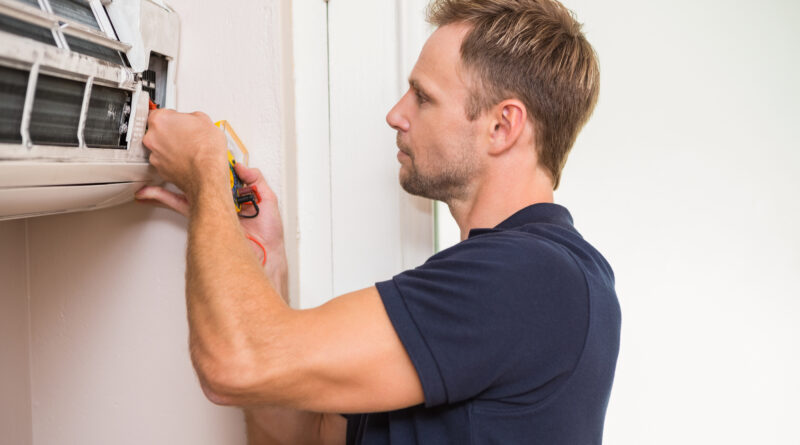
After installation, the system should be calibrated and tested for proper operation. Thermostats, airflow, and refrigerant levels need verification to guarantee optimal performance. Skipping this step can lead to uneven cooling, higher energy bills, and early system wear.
9. Failing to Follow Manufacturer Instructions
Each AC model has specific installation requirements. Ignoring manufacturer guidelines can void warranties and cause long-term performance issues. Always follow the manual and consult certified technicians if unsure.
Conclusion
Avoiding common AC installation mistakes ensures your system operates efficiently, lasts longer, and keeps your home comfortable. Correct sizing, proper placement, sealed ductwork, safe electrical connections, and professional calibration are key factors. By paying attention to these details and investing in professional installation when necessary, you can prevent costly problems and enjoy reliable cooling for years to come.


