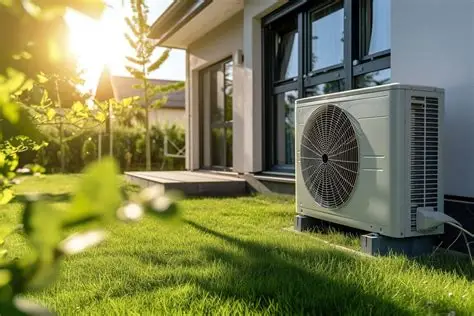

Air conditioners are lifesavers in hot weather, but many people worry about how much electricity they use. In South Africa, where electricity costs are rising and load shedding is a constant concern, energy efficiency matters more than ever. In this section, we explain how much electricity air conditioners use, what affects their power consumption, and how you can reduce costs while staying cool.
How Much Electricity Does an Air Conditioner Use?
The amount of electricity depends on several factors:
-
Type of unit: Portable, split, or central air conditioning
-
Cooling capacity: Measured in BTU or kW (higher BTU = more electricity used)
-
Running time: More hours = higher usage
-
Room size and insulation: Poor insulation or larger spaces need more cooling
Example:
A 12,000 BTU (3.5 kW) portable AC uses about 1.2 to 1.5 kWh per hour.
If used for 6 hours a day:
1.5 kWh × 6 hours = 9 kWh per day.
At a rate of R2.50 per kWh, that’s R22.50 per day, or about R675 per month.
What Increases Electricity Use?
-
Old or inefficient units: Older models can use 30–50% more power.
-
High thermostat settings: Setting the unit very low (e.g., 18°C) forces it to work harder.
-
Poor maintenance: Dirty filters or coils reduce efficiency.
-
Windows or doors left open: Cooled air escapes, and the unit runs longer.
-
Humidity: ACs work harder in humid conditions unless they have a dehumidifying mode.
Energy Ratings and Labels in South Africa
Air conditioners sold in South Africa have energy labels showing their efficiency. Look for:
-
Energy rating (A to G): ‘A’ is most efficient.
-
Energy consumption in kWh/year: Helps estimate annual cost.
-
Refrigerant type: Eco-friendly refrigerants like R290 also improve efficiency.
Tips to Reduce Aircon Electricity Costs
Running an air conditioner regularly can increase your electricity bill, especially during South Africa’s hot summer months. However, using your AC more efficiently can significantly reduce your power costs—without sacrificing comfort. Here are five smart tips to help you stay cool while saving money.
Use Timers and Sleep Modes
Most modern air conditioners come with timers, sleep modes, or programmable settings. These features help control how long the AC runs, especially at night when outside temperatures drop.
-
Timers let you set the AC to turn off after a specific period or turn on at a certain time—perfect for pre-cooling a room before bed or turning it off once you’re asleep.
-
Sleep mode automatically adjusts the temperature during the night to save energy while keeping you comfortable.
Tip: Set the timer to shut off the unit 30 minutes after you fall asleep, or use sleep mode to avoid running it all night.
Set the Temperature to 22–24°C
Setting your AC to the lowest temperature (e.g., 16°C) may seem tempting, but it forces the unit to work harder and use more electricity.
-
The ideal energy-saving range is between 22°C and 24°C. This range is cool enough for comfort while being energy-efficient.
-
Each degree below 22°C increases power usage by about 6–8%.
Tip: Find the warmest temperature you’re comfortable with, then stick to it consistently for maximum efficiency.
Close Doors and Windows
An air conditioner cools enclosed spaces, so open doors or windows let warm air in and cool air out—forcing the AC to work longer and harder.
-
Ensure all doors and windows are closed before switching on your unit.
-
If your portable AC uses an exhaust hose, make sure the window seal is tight to prevent air leaks.
Tip: Use door draft stoppers and window seals (available at hardware stores) to improve insulation.
Clean or Replace Filters Regularly
Dirty or clogged air filters reduce airflow, making your air conditioner less efficient. The unit then uses more electricity to push air through.
-
Most filters need cleaning once a month, especially during high-usage months.
-
If your AC has a reusable filter, wash it with warm water and let it dry before reinserting.
-
Replace filters when worn out or if recommended by the manufacturer.
Tip: Set a calendar reminder to clean filters monthly during summer.
Choose the Right Size AC for Your Room
An air conditioner must match your room’s size (in square meters) for efficient cooling.
-
An underpowered unit struggles to cool the space and runs longer, increasing energy use.
-
An overpowered unit cycles on and off too often, wasting energy and wearing out parts faster.
As a rough guide:
| Room Size | Recommended BTU Rating |
|---|---|
| Up to 20 m² | 9,000 BTU |
| 20–30 m² | 12,000 BTU |
| 30–40 m² | 14,000–18,000 BTU |
Is a Portable Air Conditioner Cheaper to Run?
Portable ACs are generally less efficient than split units. They:
-
Often uses more power per square meter cooled
-
May leak cool air through the exhaust vent
-
They are louder and less precise in temperature control
However, they can still be economical if used in short bursts, for small spaces, or with energy-saving settings.
Conclusion
Yes, air conditioners can use a lot of electricity—but how much they use depends on the model, how you use it, and your room’s conditions. By choosing an energy-efficient unit and using it wisely, you can enjoy cool, comfortable air without seeing a massive spike in your electricity bill.