
Air conditioning has become a necessity in both offices and homes, especially during South Africa’s hot summer months. But the air conditioning needs in an office space are often very different from those at home. In this article, we’ll look at how office and home air conditioners compare, the key differences in their usage, design, and performance, and how to choose the right one for your space.
How You Use Air Con at Work vs at Home
Office Air Conditioning
In an office, air conditioning is usually meant to cool larger open spaces with multiple people. It runs for long hours—usually from 8 AM to 5 PM—and needs to maintain a consistent, comfortable temperature for productivity.
Home Air Conditioning
At home, air conditioners are used in specific rooms like bedrooms or living rooms. They’re often turned on for a few hours in the evening or during hot nights. Comfort and sleep quality are the main goals, not performance under heavy use.
Key Difference: Office ACs must handle longer hours and more people. Home units are used more casually and in smaller areas.
Size and Capacity
Office Systems
Offices need higher-capacity air conditioners, often central, ducted, or multi-split systems. These can cool larger spaces (like boardrooms, open-plan areas) and offer zoned control.
Home Systems
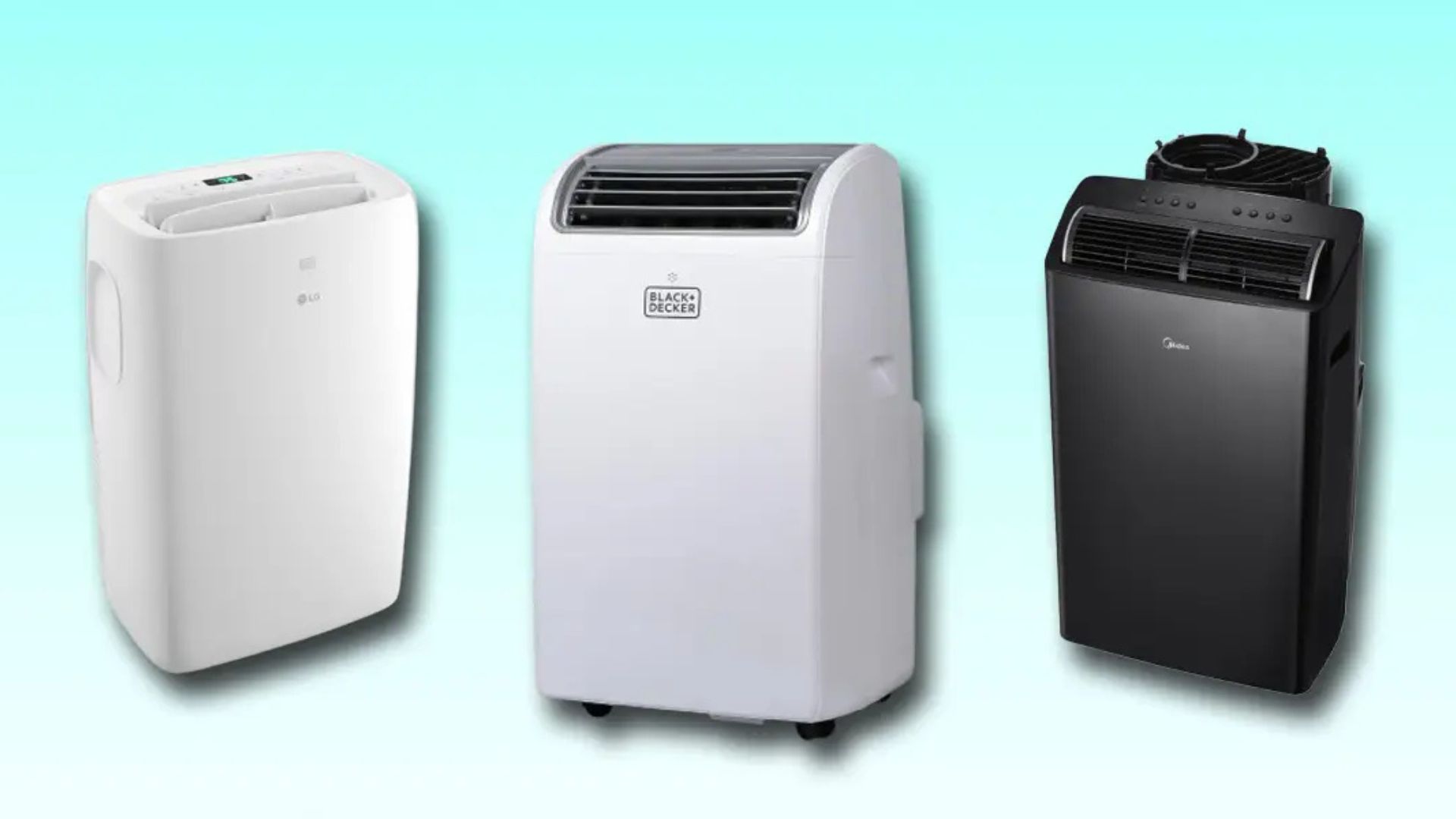
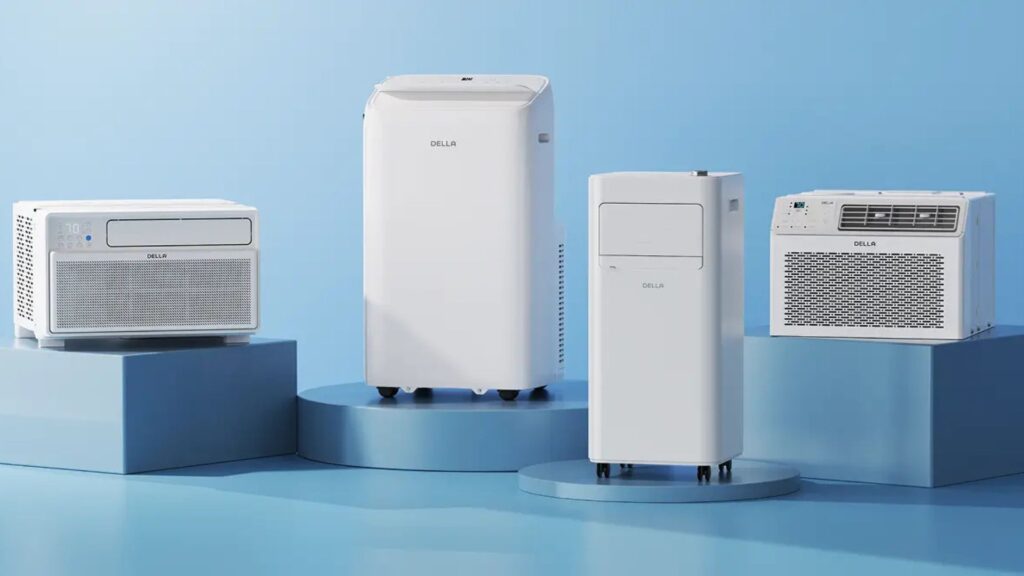
Homes can use smaller wall-mounted split units or portable ACs. One unit per room is usually enough, and a central system is only needed for large houses.
Key Difference: Office systems are bigger, more complex, and often centrally controlled. Home ACs are smaller and room-specific.
Design and Installation
Office AC
-
Often requires professional design and planning.
-
Includes hidden ductwork, thermostats in zones, and remote control for each section.
-
Installation is usually done during construction or renovations.
Home AC
-
Easier to install—just mount and plug in (for split or portable units).
-
Many people choose DIY-friendly portable units or wall-mounted split systems for one or two rooms.
-
Less complex and faster to set up.
Key Difference: Offices need planned installations; homes allow for simpler, more flexible setups.
Cost: Installation and Operation
Office AC
-
Higher upfront cost for equipment and installation.
-
Higher running costs due to longer hours and more coverage.
Home AC
-
Lower initial cost, especially for single-room units.
-
Running costs depend on how often it’s used.
-
Newer home units are energy-efficient and cheaper to run.
Key Difference: Office air con is a bigger investment. Home units are more affordable and efficient for short-term use.
Features and Controls
Office Units
-
Often have central control systems, motion sensors, and automatic scheduling.
-
Built to offer consistent cooling across multiple rooms or zones.
-
May include smart building integration in modern offices.
Home Units
-
Simpler controls with remotes or mobile apps.
-
Include sleep modes, timers, and energy-saving settings.
-
Some units now offer WiFi control and work with smart assistants like Alexa or Google Home.
Maintenance and Servicing
Office AC
-
Needs regular professional servicing due to heavy use.
-
Service contracts are common in commercial spaces.
Home AC
-
Easier to maintain. Homeowners can clean filters and do basic checks.
Key Difference: Offices require scheduled maintenance. Home units are lower-maintenance and owner-friendly.
Which One Is Right for You?
If you’re cooling a home:
-
Choose a split system or portable AC for bedrooms or lounges.
-
Focus on energy efficiency, quiet operation, and ease of use.
If you’re cooling an office:
-
Consider a central or ducted system for even airflow.
-
Make sure the system can run for long hours and handle multiple zones.
-
Invest in professional installation and regular servicing.
Final Thoughts
While both office and home air conditioners do the same basic job—keeping you cool—their design, usage, and performance requirements are very different. Offices need robust, reliable systems that run for long hours and cool large spaces efficiently. Homes need smaller, quieter, and more flexible units for personal comfort. By understanding these differences, you can choose the right air conditioning system that suits your space, your budget, and your comfort needs.