South Africa’s summers can get extremely hot, especially in inland cities like Johannesburg or coastal areas like Durban. While air conditioning is a great way to stay cool, not everyone can install a built-in system—whether due to cost, rental restrictions, or space issues. That’s where portable air conditioners come in. These compact, movable units offer a practical and flexible cooling solution for homes, offices, or even small shops.
In this article, we explore what to look for when buying a portable air conditioner, the key features that matter, and the best models currently available in South Africa. Whether you’re shopping for a small bedroom or a medium-sized lounge, we’ll help you choose the right one to beat the heat efficiently.

What Is a Portable Air Conditioner?
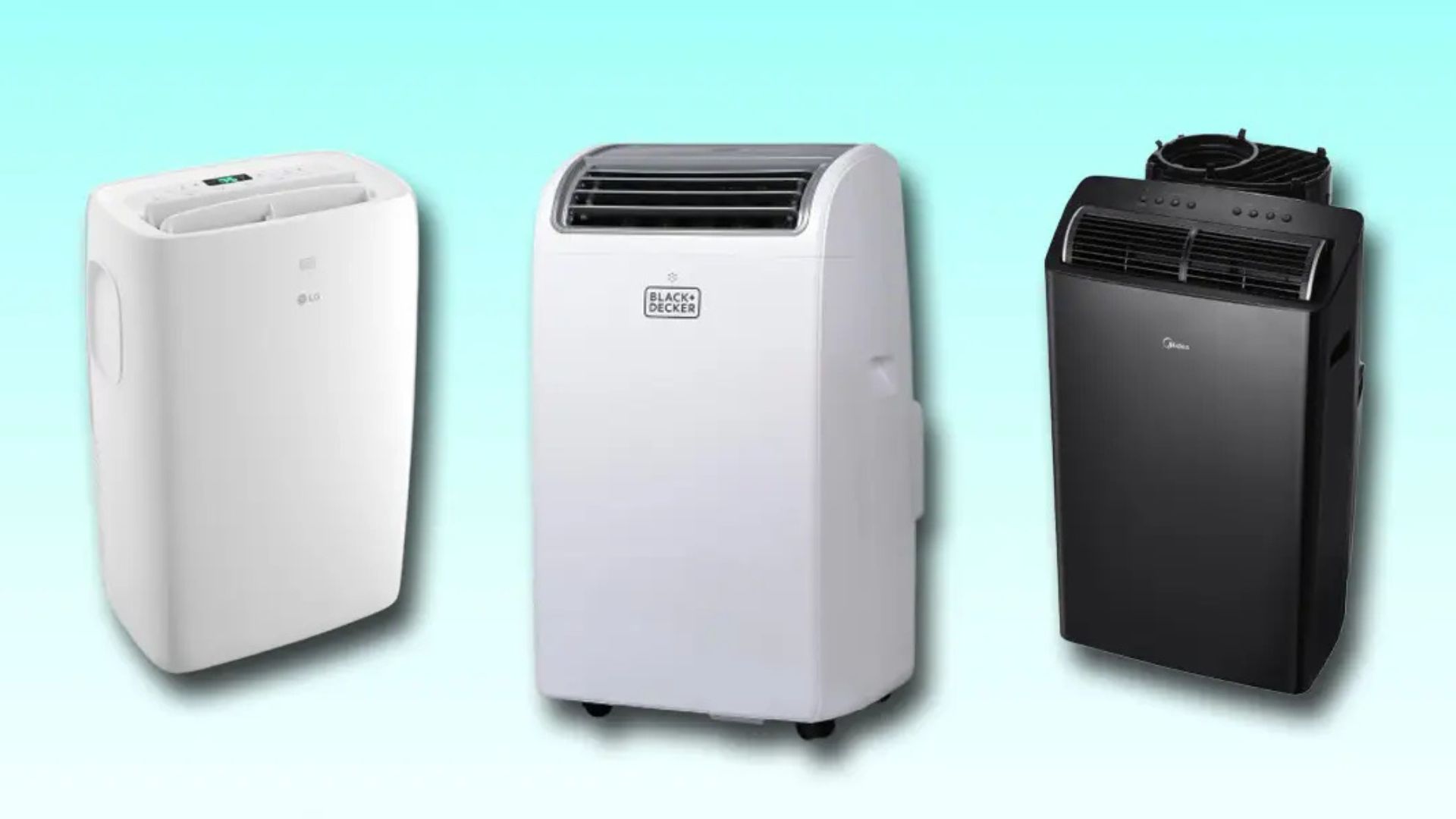
A portable air conditioner (AC) is a standalone unit that cools, sometimes heats, and optionally dehumidifies a single room or area. You don’t have to install it on a wall permanently. It has wheels so you can move it, an exhaust hose to vent hot air out of a window, and a control panel or remote. It gives flexibility, especially in rentals or spare rooms.
Why Choose Portable, Especially in South Africa
-
Many homes or flats in South African cities like Johannesburg, Pretoria, Cape Town, and Durban lack space or permission for fixed split‑systems.
-
Portable units avoid permanent installation and exterior brackets.
-
They help during heat waves, which happen often, especially in summer.
-
Newer portable units use more efficient refrigerants (like R290), and better insulation/helps to reduce electricity use.
Key Features to Consider
When you shop, compare these features to get the best value:
| Feature | Why It Matters |
|---|---|
| Cooling power (BTU or m² coverage) | If the unit is underpowered, it won’t cool well in large or hot rooms. Too much power wastes energy. Match to your room’s size. For example, a 12,000 BTU unit works well for about 25‑35 m². |
| Energy rating / refrigerant type | Units rated ‘A’ in South Africa are more efficient. Eco‑friendly refrigerants like R290 or modern ones like R410A reduce environmental harm. |
| Noise level | Portable ACs tend to be louder than split systems. If you use it in a bedroom, pick one with sound level under ~55 dB if possible. |
| Dehumidifier/fan/heating modes | If the AC also removes moisture (dehumidifies), or acts as a fan or heater, you use it longer and more often, not only in peak heat. |
| Portability & design | Wheels, handles, size, and how easy it is to vent the exhaust hose. If it’s heavy or bulky, moving it will be a pain. |
| Controls & smart features | Remote, timer, app, or WiFi control, sleep mode. These make using it easier and often save energy. |
| Warranty & support | Good local support ensures parts and service are available. South African brands or imported ones with local warranty are better. |
Best Portable AC Models in South Africa Right Now
Here are several good options to help you compare what’s available:
-
Defy 12 000 BTU Portable AC (DPA 12K) — Cools spaces up to ~35 m². Has 3‑in‑1 mode (cool, dehumidify, fan), digital controls, remote, and timer.
-
Defy 9 000 BTU Portable AC (DPA 9K) — Slightly less power, suitable for rooms up to ~30 m². Same multi‑mode features.
-
GMC 7 000 BTU Portable AC (Model GMCP07Y) — Good for smaller rooms (~16 m²). Rated “A” for energy by South Africa’s Department of Energy. Low power draw.
-
GMC 10 000 BTU Portable AC (WiFi‑enabled, cooling + dehumidifying + ventilation) — More features, remote + timer, good size for medium rooms.
-
Midea 12,000 BTU Portable AC (WiFi enabled) — Covers up to ~23 m², dual modes (cooling + heating), eco‑friendly refrigerant.
Pros and Cons
Pros
-
Flexibility: move it room to room.
-
No permanent installation: good for rentals.
-
Multi‑mode functions: use more than just cooling.
-
New models are more energy efficient.
Cons
-
Noise: portable units are louder than fixed systems.
-
Requires venting: you must place the exhaust hose correctly and seal the windows.
-
Energy use: Even efficient portable units use more electricity per cooling capacity than split ACs.
-
Floor space: They take up space and need clearance around them.
How to Pick the Best for You
Here’s how to decide:
-
Measure your room. Calculate its area in m² and ceiling height.
-
Choose the right BTU / capacity. Bigger room = more BTUs. Under‑size = poor cooling.
-
Check the power supply in your area. Many units run on 220‑240 V; ensure your wiring can handle the load.
-
Think about the usage pattern. If you’ll use it often or through night, prioritize quiet models and timers/sleep mode.
-
Estimate running cost. Use wattage × hours used × cost per kWh in your area to judge electricity cost.
-
Check warranty & spare parts. Models with local service are safer investments.
Conclusion
Portable air conditioners give real relief in hot South African summers, especially if you can’t install split units. To get the best, match cooling power to room size, pick an efficient and quiet model, and consider added features like dehumidifying, timer, and WiFi. A good portable AC can make your home more comfortable withouta huge cost or permanent alteration.