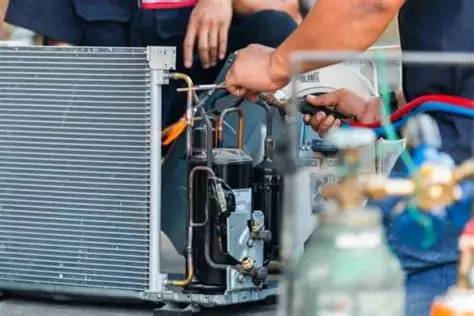

Air conditioners are essential for maintaining comfort in your home, especially during hot months. Over time, AC units can develop issues, leaving homeowners with a crucial decision: should you repair the unit or replace it entirely? Understanding the signs and factors involved helps you make the best choice for your comfort, budget, and long-term savings.
Signs Your AC Needs Repair
Repairs are often the right choice when the system is relatively new and problems are minor. Common signs include:
-
Reduced cooling efficiency: If your AC struggles to cool rooms but otherwise operates normally, cleaning coils or replacing filters may solve the issue.
-
Strange noises: Squealing, grinding, or rattling often indicate worn components that can be repaired.
-
Frequent cycling: If your unit turns on and off too often, a technician can adjust the thermostat, clean filters, or fix minor electrical problems.
-
Leaks or frozen coils: Small refrigerant leaks or ice buildup may require a simple repair rather than full replacement.
Repairing a newer system is usually cost-effective, especially when the repair costs are less than half the price of a new unit.
Signs It’s Time to Replace Your AC
Sometimes replacement is a better option, particularly when the unit is old or inefficient. Consider replacing your AC if you notice:
-
Age of the unit: Most air conditioners last 10–15 years. Older systems often require frequent repairs and operate inefficiently.
-
Frequent breakdowns: Constant repairs indicate that components are failing, and replacement may be more cost-effective.
-
High energy bills: Aging units consume more electricity. Newer models are energy-efficient and can significantly reduce monthly costs.
-
Poor performance despite repairs: If multiple repairs fail to restore proper cooling, replacing the system ensures reliable comfort.
-
Refrigerant type: Older ACs may use R-22 refrigerant, which is being phased out. Replacement with modern refrigerant ensures compliance and efficiency.
Cost Considerations
When deciding between repair and replacement, compare costs carefully:
-
Repair costs: Minor repairs are usually affordable, but multiple large repairs can add up quickly.
-
Replacement costs: While the upfront cost is higher, new units offer energy savings, warranty coverage, and long-term reliability.
-
Energy efficiency: Modern air conditioners often feature higher SEER ratings, which reduce energy consumption and save money over time.

Additional Factors to Consider
Other considerations include:
-
Home size and cooling needs: A replacement may allow you to upgrade to a system that better matches your home’s layout.
-
Environmental impact: Newer systems are more environmentally friendly and use refrigerants with lower global warming potential.
-
Warranty coverage: If your AC is still under warranty, repairs may be fully or partially covered, making repair a logical choice.
Tips for Making the Decision
-
Get a professional assessment: A qualified technician can evaluate your system’s condition and provide repair or replacement recommendations.
-
Consider long-term costs: Calculate repair expenses versus the cost of a new, energy-efficient system over several years.
-
Evaluate your comfort needs: If your current AC cannot keep up with your home’s cooling demands, replacement may provide a more reliable solution.
Conclusion
Deciding whether to repair or replace your air conditioner depends on age, condition, performance, and costs. Repairs work best for newer units with minor issues, while replacement is often the smarter choice for older, inefficient, or frequently failing systems. By evaluating these factors and consulting a professional, you can make a decision that ensures comfort, efficiency, and long-term savings. Regular maintenance also helps delay major issues and prolongs the life of your system, giving you more time to make an informed choice.