

Regular air conditioner servicing ensures your system runs efficiently, lasts longer, and avoids costly repairs. Many homeowners feel uncertain about what happens during an AC service appointment. Understanding the process helps you prepare and make the most of the visit.
1. Initial Inspection
The technician begins with a thorough inspection of your AC unit. They check the overall condition, look for visible damage, and ensure the system is functioning properly. This step identifies potential problems before they worsen.
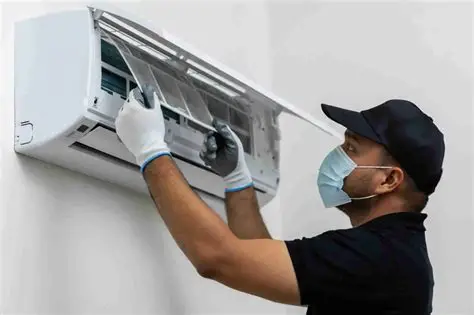
2. Checking and Cleaning Filters
Air filters trap dust, dirt, and allergens. Dirty filters reduce airflow and efficiency. During the service, the technician removes, cleans, or replaces filters as needed. Clean filters improve air quality and help the AC run smoothly.
3. Examining Coils and Fins
The evaporator and condenser coils absorb and release heat. Over time, dirt can accumulate, reducing efficiency. The technician cleans the coils and straightens bent fins. This allows optimal airflow and better cooling performance.
4. Inspecting Refrigerant Levels
Proper refrigerant levels are critical for effective cooling. The technician checks the system for leaks and ensures refrigerant is at the correct level. Low refrigerant reduces efficiency and may damage the compressor if not addressed promptly.
5. Evaluating Electrical Components
The service includes checking wiring, capacitors, and other electrical connections. Loose or worn parts can cause malfunctions or safety hazards. Tightening connections and replacing faulty components prevents future breakdowns.
6. Testing Thermostat Function
The thermostat controls your AC’s temperature. Technicians test its accuracy and performance. If needed, they may recalibrate or recommend upgrading to a programmable or smart thermostat for better control and energy savings.
7. Clearing the Condensate Drain
The condensate drain removes moisture from your AC. Clogged drains can cause water damage and mold growth. During the appointment, the technician cleans the drain line to ensure proper water flow.
8. Lubricating Moving Parts
Motors, fans, and other moving parts require lubrication to prevent friction and wear. Technicians apply oil or grease to key components, which helps the AC run quietly and extends the life of the system.
9. Testing the System
After completing the maintenance tasks, the technician runs the AC to test its performance. They check cooling efficiency, airflow, and listen for unusual noises. This final step ensures the system operates at peak performance.
10. Maintenance Report and Recommendations
Finally, the technician provides a report detailing the work done, any issues found, and recommended repairs or improvements. They may suggest parts to replace or schedule follow-up maintenance for long-term care.
Conclusion
An AC service appointment involves inspection, cleaning, testing, and minor repairs to keep your system efficient and reliable. By understanding what to expect, you can prepare your home, ask questions, and ensure your air conditioner receives the proper care. Regular servicing prevents costly repairs, improves cooling performance, and extends the life of your AC unit.


