
Installing an air conditioner is a crucial step in maintaining a comfortable home environment. Choosing between professional installation and a DIY approach can impact your system’s efficiency, lifespan, and safety. Understanding the differences helps homeowners make informed decisions and avoid costly mistakes.
1. Safety Considerations
Professional installation ensures safety for both the technician and the homeowner. Air conditioners involve electrical wiring, refrigerants, and heavy components that can pose hazards if mishandled. Certified technicians follow strict safety protocols to prevent accidents. On the other hand, DIY installation increases the risk of electrical shocks, refrigerant leaks, or physical injury, especially without proper tools and knowledge.
2. Proper Sizing and Placement
Correct AC sizing and placement are essential for efficient cooling. Professionals assess your home’s square footage, insulation, and airflow requirements to recommend the right unit. Improperly sized ACs can lead to frequent cycling, uneven cooling, and high energy bills. DIY installations may overlook these critical factors, resulting in poor performance and increased operational costs.
3. Warranty and Compliance
Many manufacturers require professional installation to maintain warranty coverage. Incorrect DIY installation can void the warranty, leaving you responsible for repair or replacement costs. Professionals also ensure compliance with local building codes and manufacturer guidelines, protecting your investment.
4. Efficiency and Performance
A professionally installed AC delivers optimal cooling efficiency. Technicians ensure proper refrigerant levels, duct connections, and airflow, which reduces energy consumption and enhances performance. DIY installation may leave minor errors unnoticed, such as loose fittings, poor insulation, or misaligned components, which can reduce system efficiency.
5. Time and Convenience
Professional installation is typically faster and more convenient. Certified technicians complete the setup, calibration, and testing in a few hours. DIY installation can take significantly longer, especially for first-time installers. Mistakes during the process may require additional troubleshooting or professional intervention, adding more time and cost.
6. Cost Considerations
DIY installation may seem cheaper upfront because you avoid labor costs. However, mistakes can lead to repairs, inefficiency, or system damage, which often cost more than professional installation. Professionals provide accurate estimates and ensure a reliable, long-term setup that saves money in energy bills and repairs.
7. Long-Term Reliability
A professionally installed AC is more likely to operate reliably for years. Proper installation minimizes wear on components, prevents leaks, and maintains balanced airflow. DIY installations, while feasible for small window units or simple setups, may compromise long-term performance and increase the likelihood of breakdowns.
8. When DIY Installation May Be Suitable
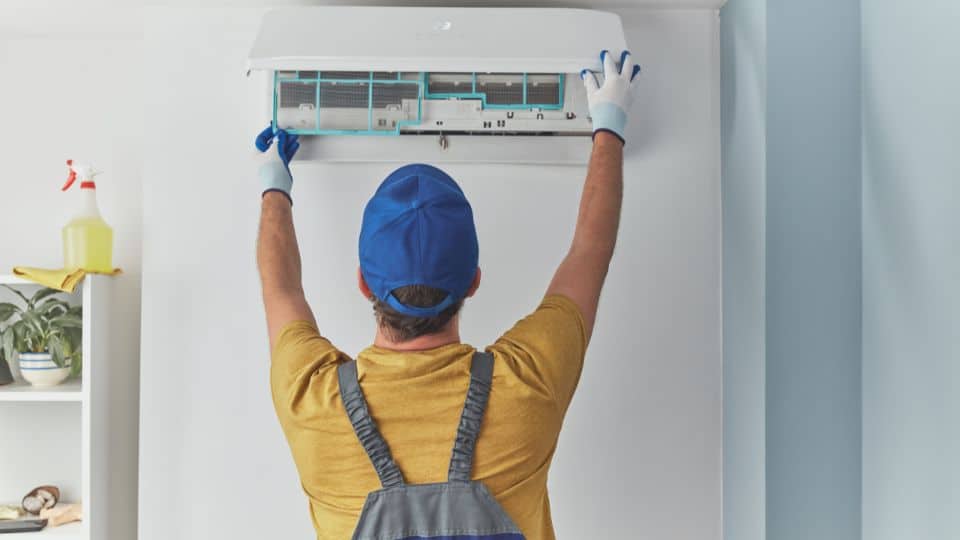
Some simple AC units, such as portable or basic window air conditioners, can be installed safely by homeowners with minimal experience. These units typically do not involve complex electrical wiring or refrigerant handling. For split systems, central ACs, or high-capacity units, professional installation is strongly recommended.
Conclusion
Choosing between professional and DIY air conditioner installation affects efficiency, safety, performance, and long-term reliability. While DIY installation may save money upfront for simple units, professional installation ensures correct sizing, proper setup, safety compliance, and optimal performance. Investing in certified technicians protects your AC, maintains warranty coverage, and guarantees a comfortable, energy-efficient home environment for years to come.


